Sold

Barnett Freedman (1901 - 1958)

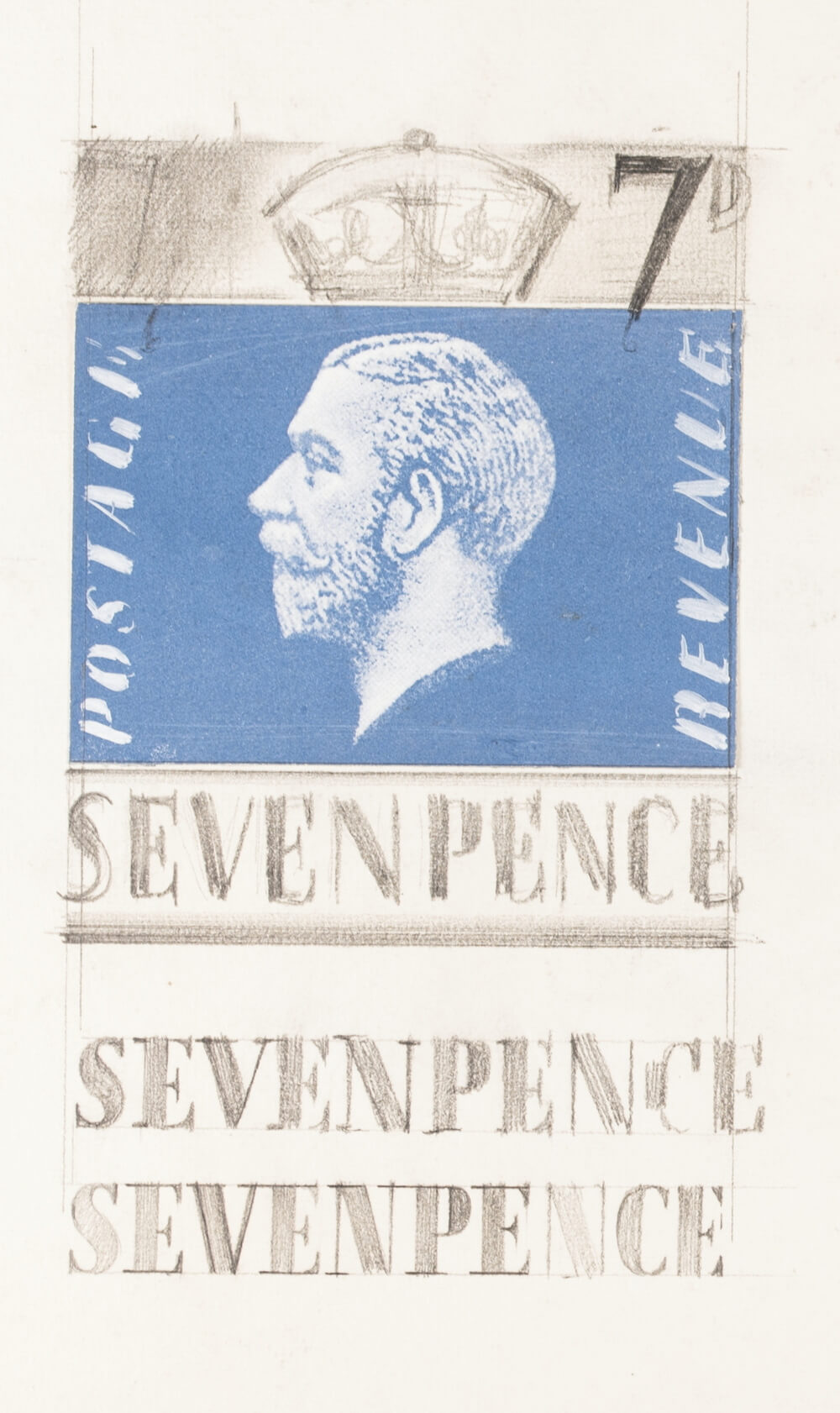
Design for ‘The King’s Stamp’, November 1935.

SKU: 8889
Pencil, gouache, collage.
Presentation: folio
Provenance: The Artist’s family

Size: 39.4cm x 57.7cm

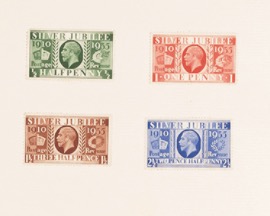
The seven pence design was eventually used for the Silver Jubilee stamp of the same year, issued in four different colours.

Freedman gained considerable acclaim for his stamp designs, a phenomena greatly aided by the  1935 film, The King’s Stamp, directed by William Coldstream with music by Benjamn Britten,  produced by Alberto Cavalcanti under the auspices of the GPO Film. Commissioned as part of King George V’s Silver Jubilee celebrations in 1935, the film opens with Freedman sketching designs before working freehand to produce a lithostone. In the second section, Freedman’s relaxed dealings with senior GPO officials are contrasted with Rowland Hill’s struggles to introduce the penny post’. Hill gets his way eventually, but the public still struggle with the idea of stamps. Victorian England is depicted as snobbish and illiterate, quite unlike the modern Britain run by the clever managers and innovators of the interwar years. As the stamp is being printed, the film turns from black and white to colour.

The final part of the film looks at the rise of stamp collecting, a democratic hobby enjoyed by the young and old of all classes. The film ends with stills from King George V’s private stamp collection. The King’s interest in stamp collecting was a part of his public appeal and it did not escape the King’s notice that his Silver Jubilee, on the 6th May, was exactly 95 years after the first Penny Black.

During George V’s 26 year reign (1910-1936) only three definitive stamp designs were issued ‚Äì the Downey Head, the Mackennal (or Profile) Head and the Seahorse High Values.

According to the Postal Museum website:

The idea of producing commemorative stamps to mark the Silver Jubilee of King George V originally came from the Colonial Office, with the suggestion that an identical set should be issued throughout the Empire on 10 May 1935. The Post Office was initially unenthusiastic, as work was underway on a new set of definitives, and it was known that the King did not particularly approve of commemorative issues.

However, the Director of Postal Services eventually agreed that this was the best way for the Post Office to participate in the Jubilee celebrations, and in June 1934 it was decided that four values, ¬Ωd, 1d, 1¬Ωd and 2¬Ωd, should be issued.

Selection consultations took place between Colonel Sir Donald Banks, Director General, Sir Stephen Tallents, GPO Public Relations Officer, and Kenneth Clark, Director of the National Gallery. Artists were invited to submit designs for one value, with a view to producing designs for the full set if selected.

As this would be the first special issue to be produced by photogravure, which reproduces a number of graduated tones, designs were requested in shades of grey. The GPO suggested royal homes, buildings, scenes and events of Imperial significance as possible subjects.

Twelve designs were submitted unsuccessfully, but a second round of submissions produced one satisfactory design, which was by Barnett Freedman. This was essayed using alternative portraits of the George V, by Vandyk and Mackennel, and in two sizes. The King chose the Mackennel head, on landscape stamps twice the size of standard definitives.

The chosen colours corresponded with the definitives. Thoughts had been given to issuing the 2¬Ωd in turquoise (known to collectors as Prussian blue’) instead of ultramarine: essays were produced, but the idea was abandoned. However, Harrisons inexplicably printed many sheets in the incorrect colour. Most were destroyed, but five were delivered to the Stores Department, and at least three were accidentally issued to Upper Edmonton Post Office, where they were sold in the normal way.

The stamps were issued on 7 May 1935 in sheets, and, with the exception of the 2¬Ωd value, in 2/- and 3/- booklets. The booklet panes comprised four stamps, and the covers were also designed by Freedman. The stamps were also overprinted for use in the Morocco Agencies and Tangier.

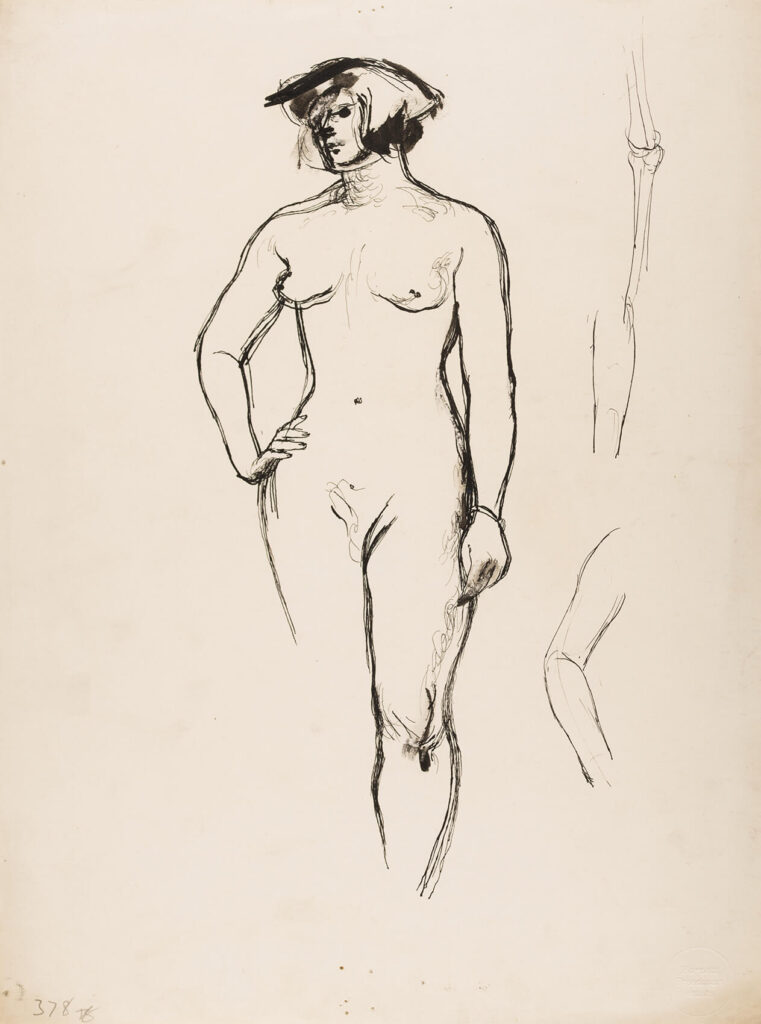
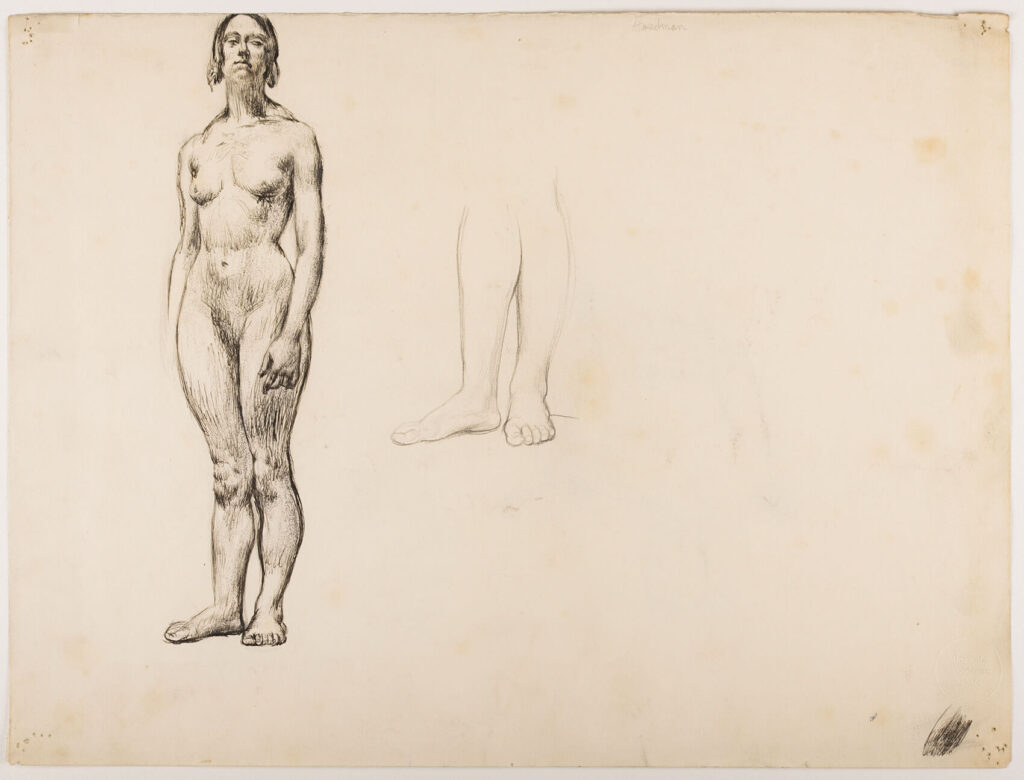
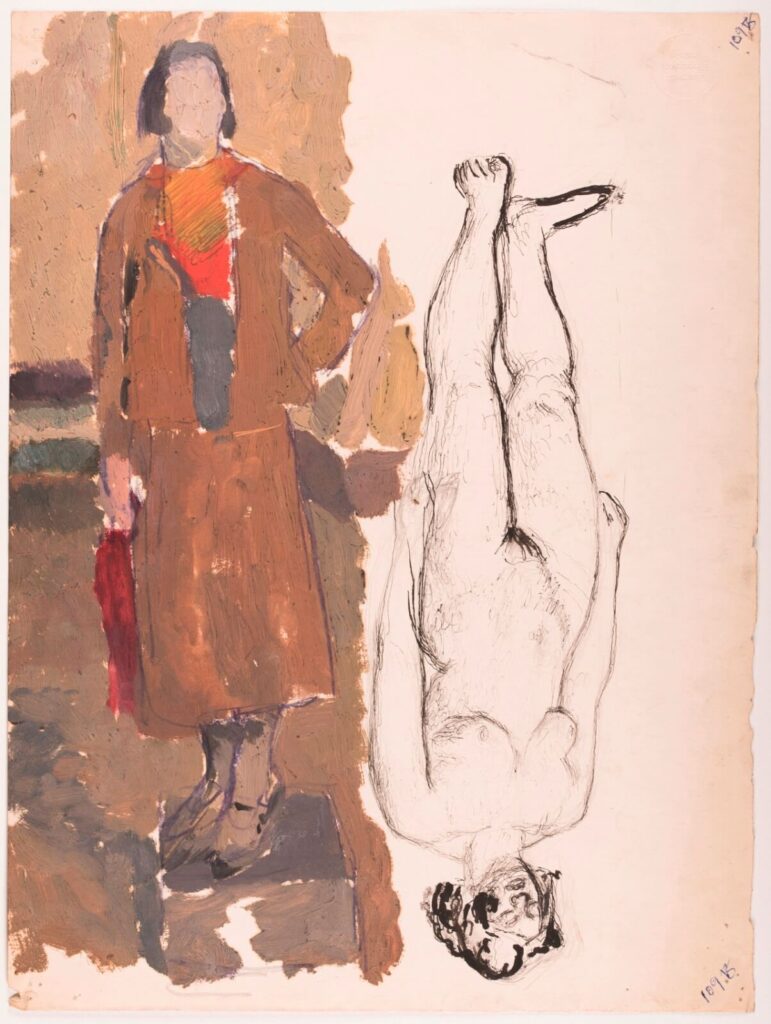
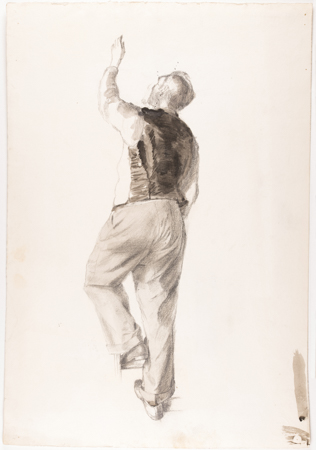
There is a study of a standing figure, drawing, on the reverse of this sheet. .
And examples of the Jubilee stamps
 

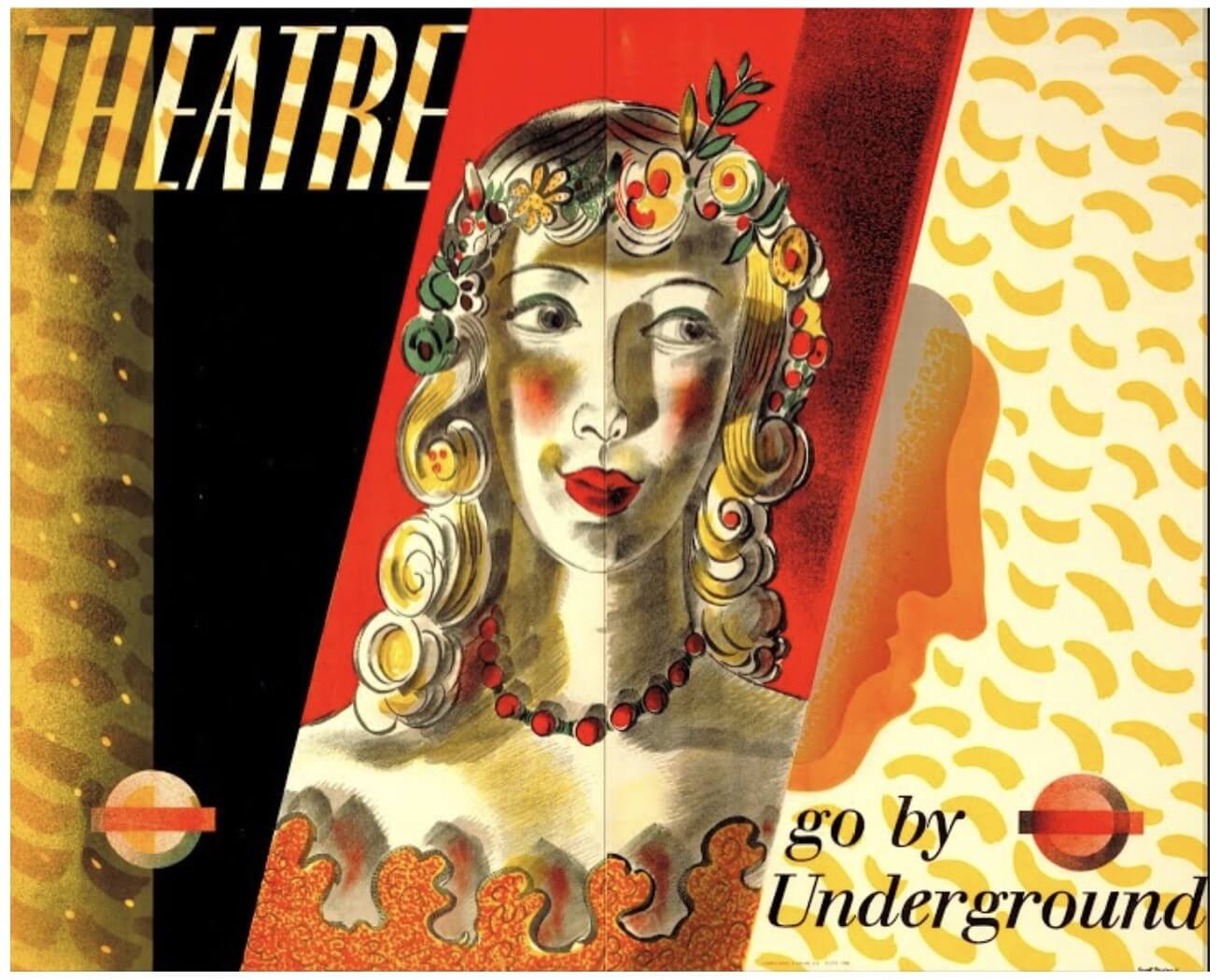
A similar design is in the collection of the Victoria and Albert Museum.
 

Disclaimer:
Modern British Art Gallery are continually seeking to improve the quality of the information on their website. We actively undertake to post new and more accurate information on our stable of artists.

We openly acknowledge the use of information from other sites including Wikipedia, artbiogs.co.uk and Tate.org and other public domains. We are grateful for the use of this information and we openly invite any comments on how to improve the accuracy of what we have posted.

THE ARTIST

Barnett Freedman
Barnett
Freedman
1901 - 1958

Illustrator, painter, printmaker and teacher, Freedman was born to Russian Jewish immigrants living in poverty in the East End of London. In 1916, he worked as draughtsman to a monumental mason, and at the same time took evening classes at St Martin’s School of Art. In 1922, he won a three-year scholarship to the Royal College of Art. In 1928, he joined the staff of the Royal College, and not long afterwards began to teach at the Ruskin School of Art, Oxford. He soon became a pioneer in the revival of colour lithography. He was an Official War Artist in World War II. By the time of his death Freedman had established an enviable reputation as an illustrator and designer of posters, stamps, books and book-jackets. He believed that there was no such thing as commercial art, ‘only good art and bad art’. His first exhibition was held in 1929 at the Literary Bookshop, Bloomsbury. A memorial exhibition was organised by the Arts Council in 1958. Manchester Polytechnic, which holds the Freedman archive, held a major show in 1990. Examples of his work are in the collection of the Tate Gallery.

With thanks to artbiogs.co.uk

MORE PICTURES BY ARTIST

SKU: 8353

(76cm x 51cm)

Barnett Freedman (1901 - 1958)

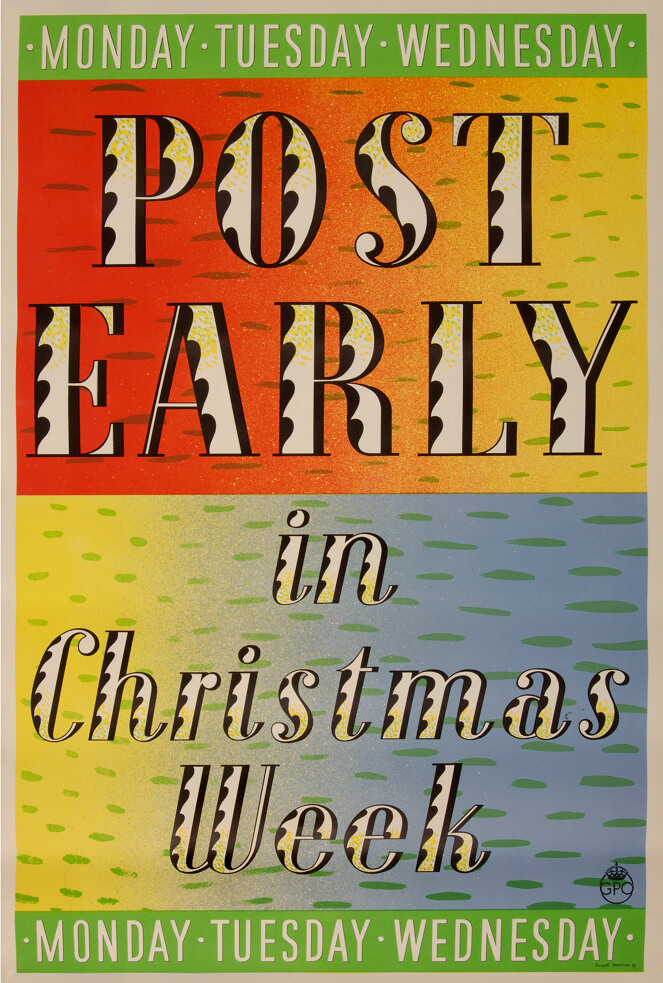
Post Early in Christmas Week, 19398149

£475.00

SKU: 13047

(19.3cm x 26.7cm)

Barnett Freedman (1901 - 1958)

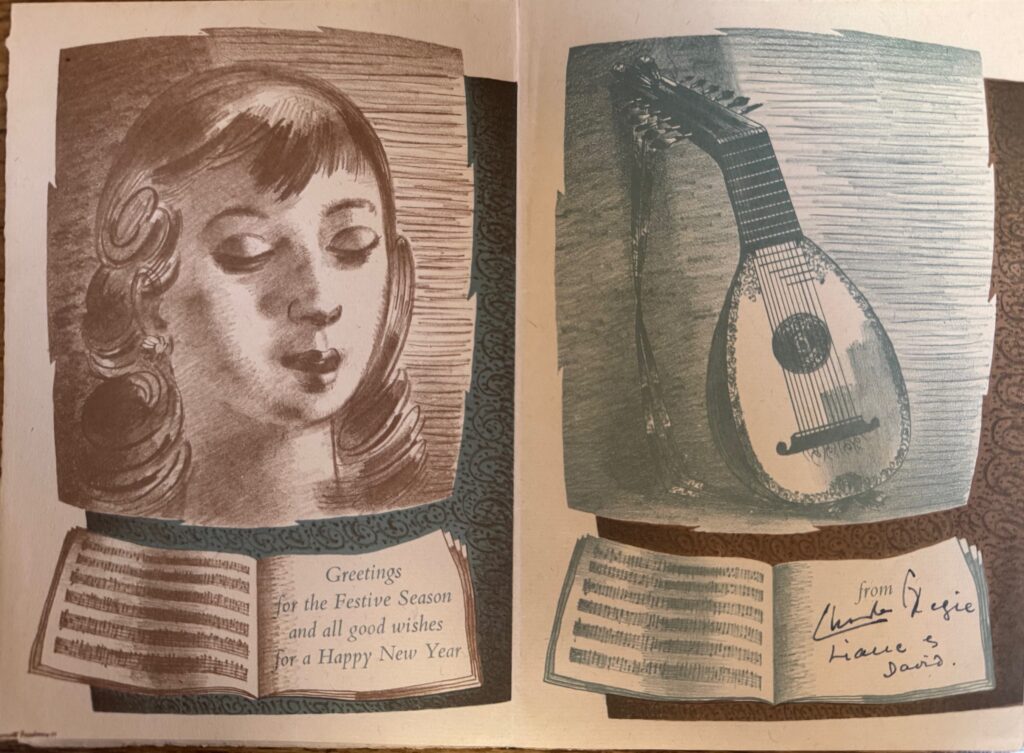
Greetings for the Festive Season, 1959

£450.00

SKU: 13050

(25.5cm x 31.5cm)

Barnett Freedman (1901 - 1958)

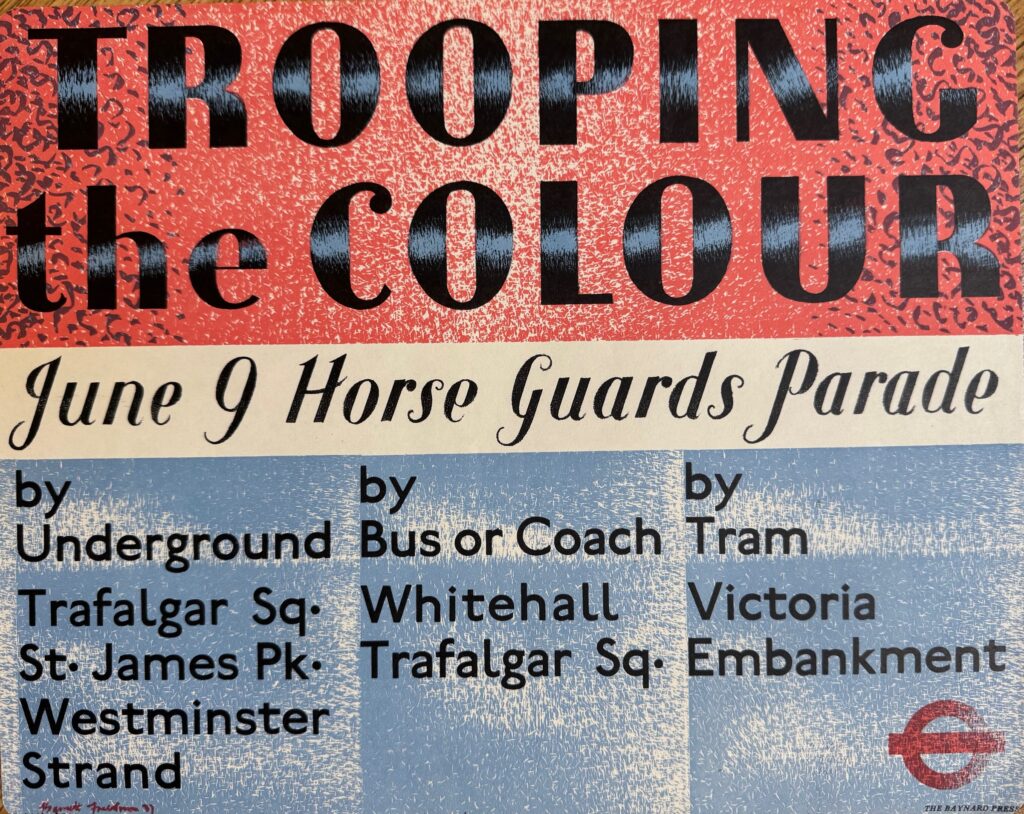
Trooping the Colour, 1957

£450.00

SKU: 10613

(101.5cm x 77cm)

Barnett Freedman (1901 - 1958)

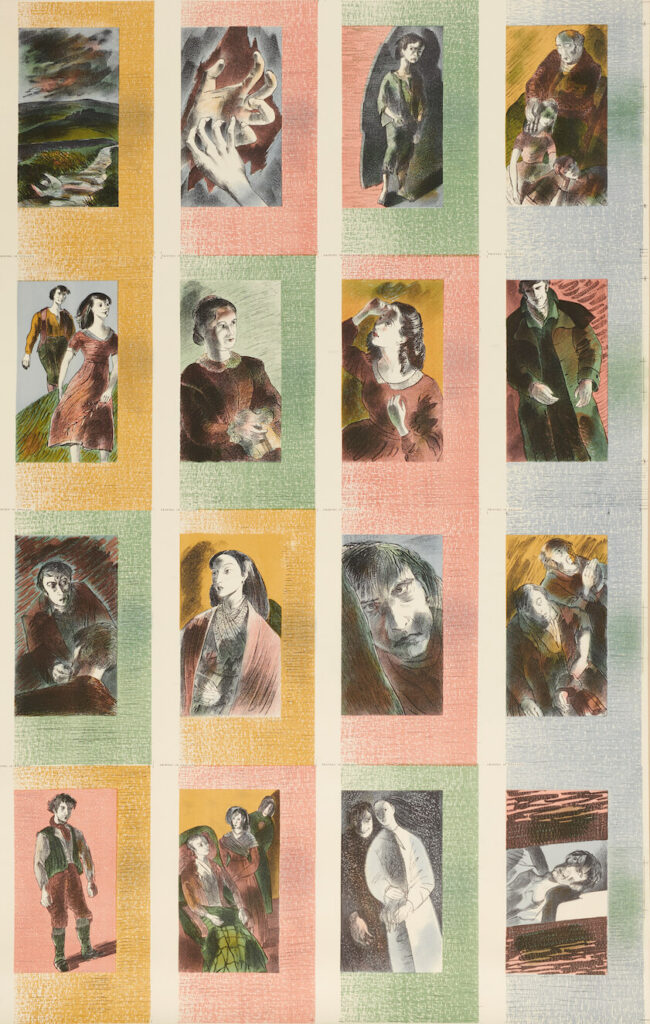
Wuthering Heights, proof sheet, 1941

£495.00

SKU: 13049

(35.5cm x 48cm)

Barnett Freedman (1901 - 1958)

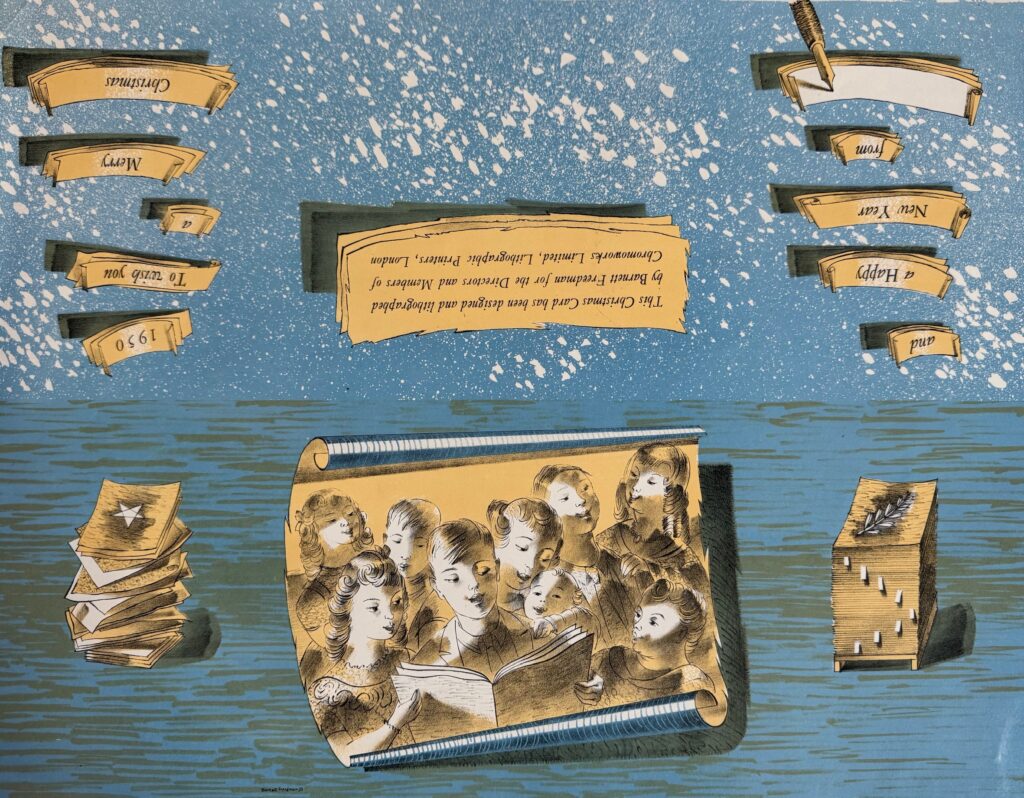
Christmas Greetings 1950

£450.00

SKU: 13028

(24.5cm x 63cm)

Barnett Freedman (1901 - 1958)

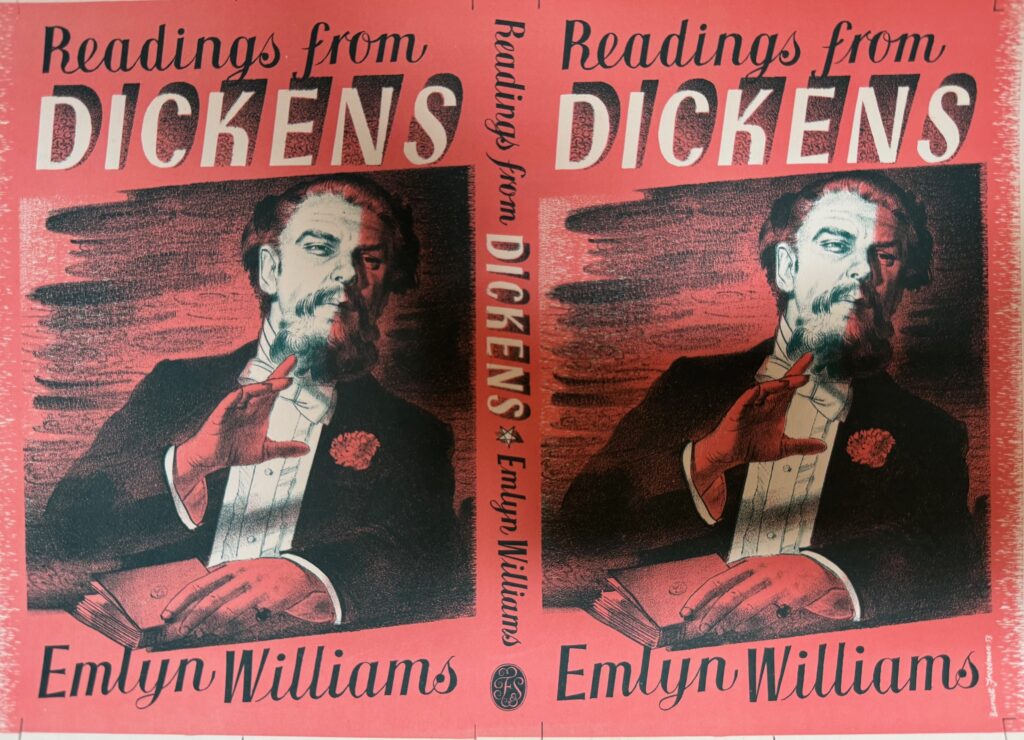
Readings from Dickens, The Folio Society – 1953

£395.00

SKU: 13048

(21.4cm x 32.2cm)

Barnett Freedman (1901 - 1958)

Christmas Greetings 1957

£450.00

SKU: 9160

(23.6cm x 34.4cm)

Barnett Freedman (1901 - 1958)

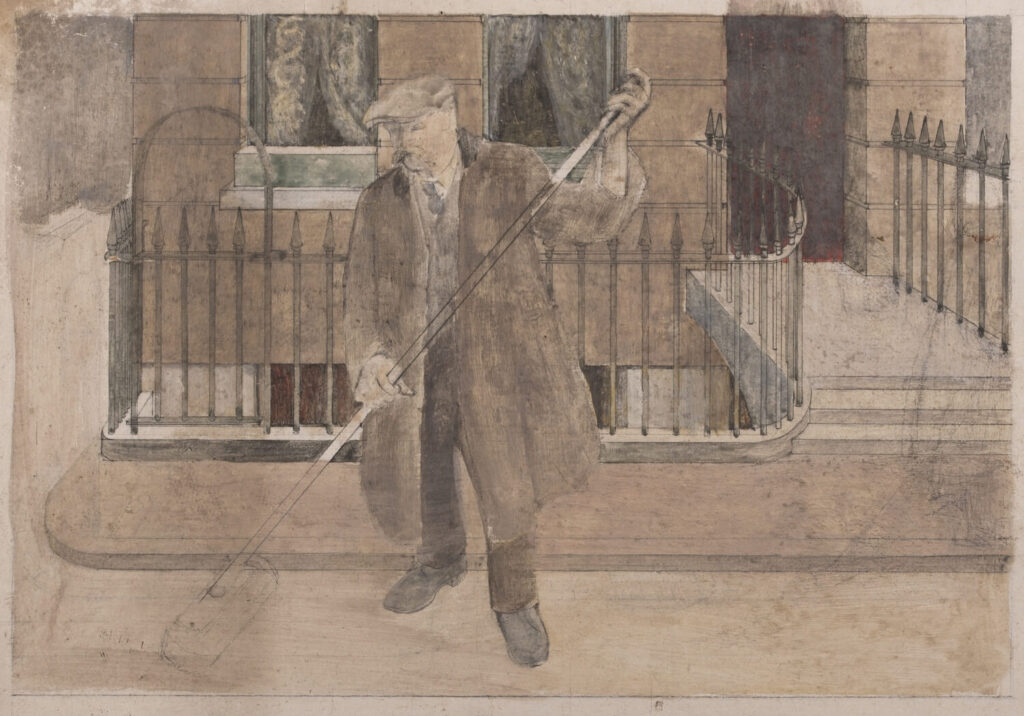
Man sweeping outside terraced house, circa 1926

£3,800.00

SKU: 10983

(21.8cm x 33cm)

Barnett Freedman (1901 - 1958)

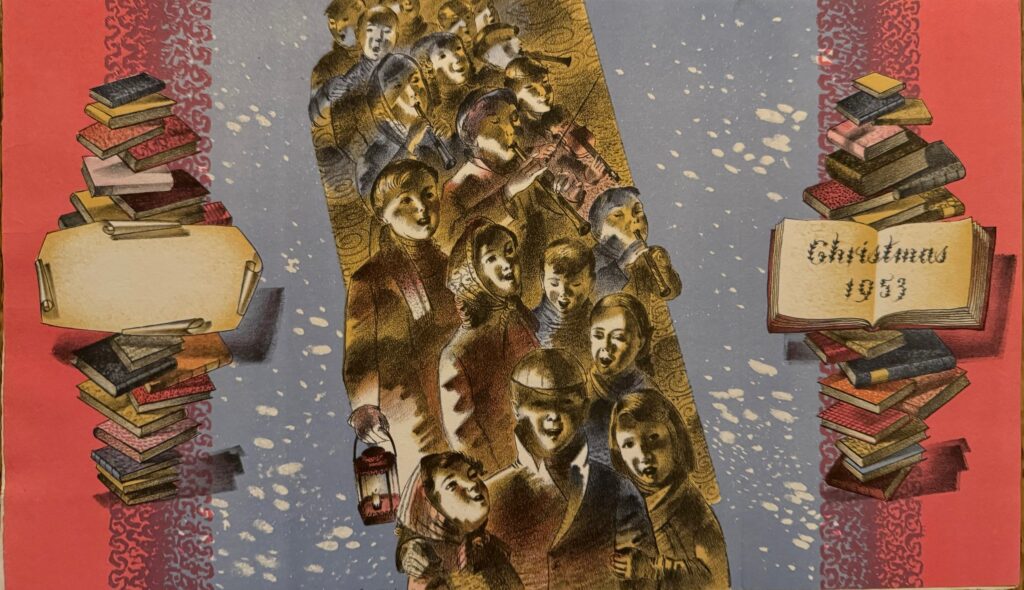
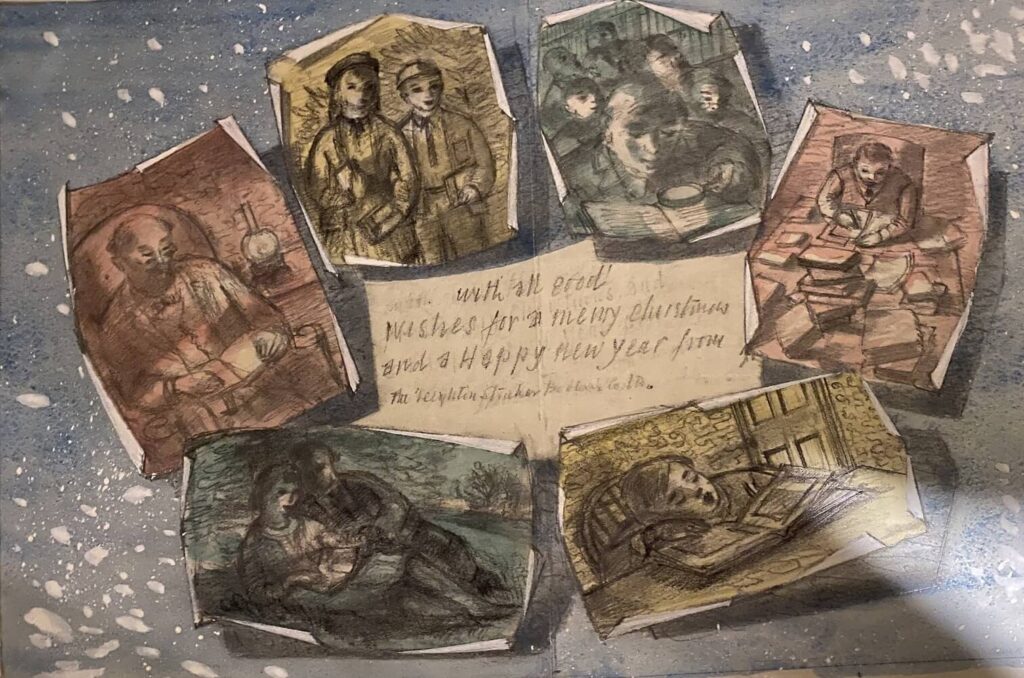
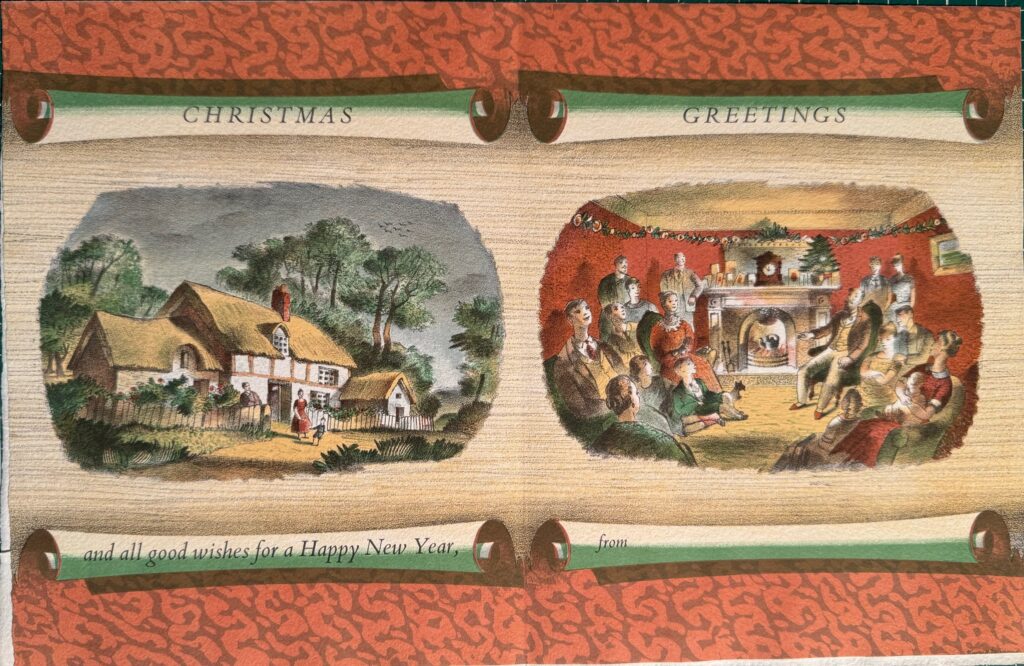
Folded Christmas Greetings Card – The Leighton-Straker Bookbinding Company, 1953

£350.00

SKU: 10882

(23.5cm x 35cm)

Barnett Freedman (1901 - 1958)

Design for Christmas Card, 1954

£2,900.00

SKU: 10615

(96cm x 66cm)

Barnett Freedman (1901 - 1958)

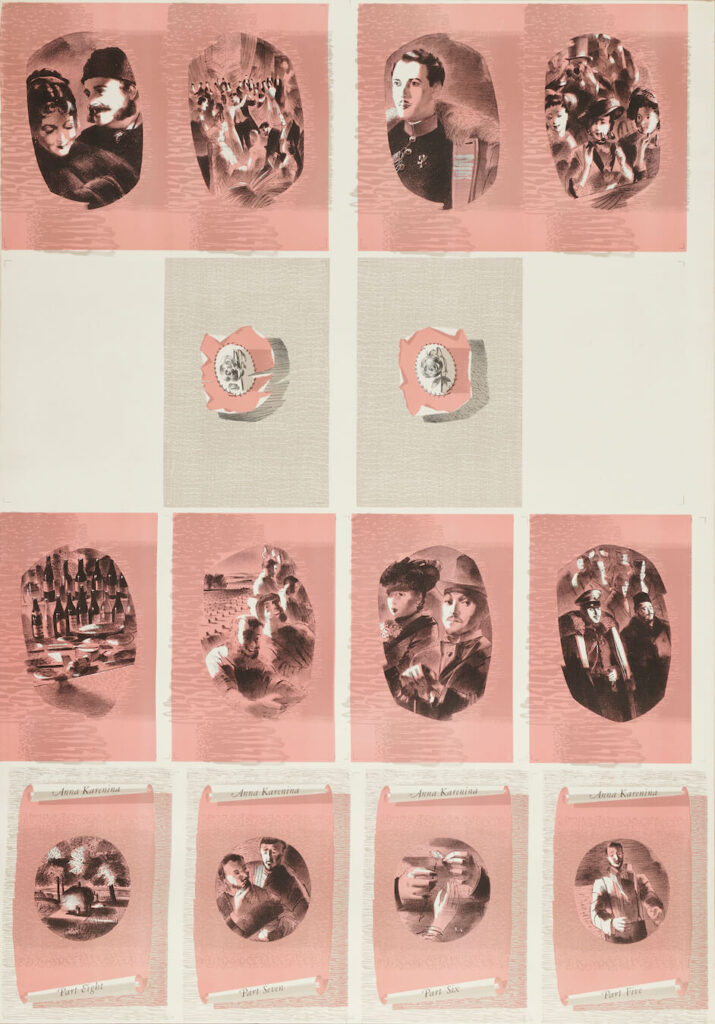
Proof Design Tolstoy’s Anna Karenina, 1951

£370.00

SKU: 10609

(101cm x 63cm)

Barnett Freedman (1901 - 1958)

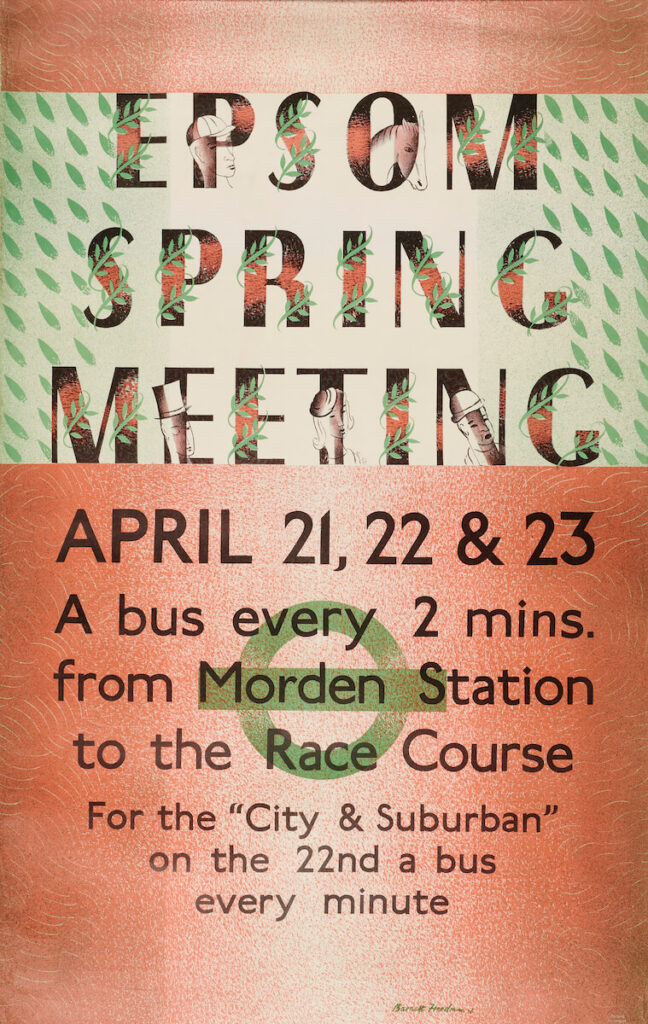
Epsom Spring Meeting

£975.00

SKU: 10603

(16.5cm x 12.5cm)

Barnett Freedman (1901 - 1958)

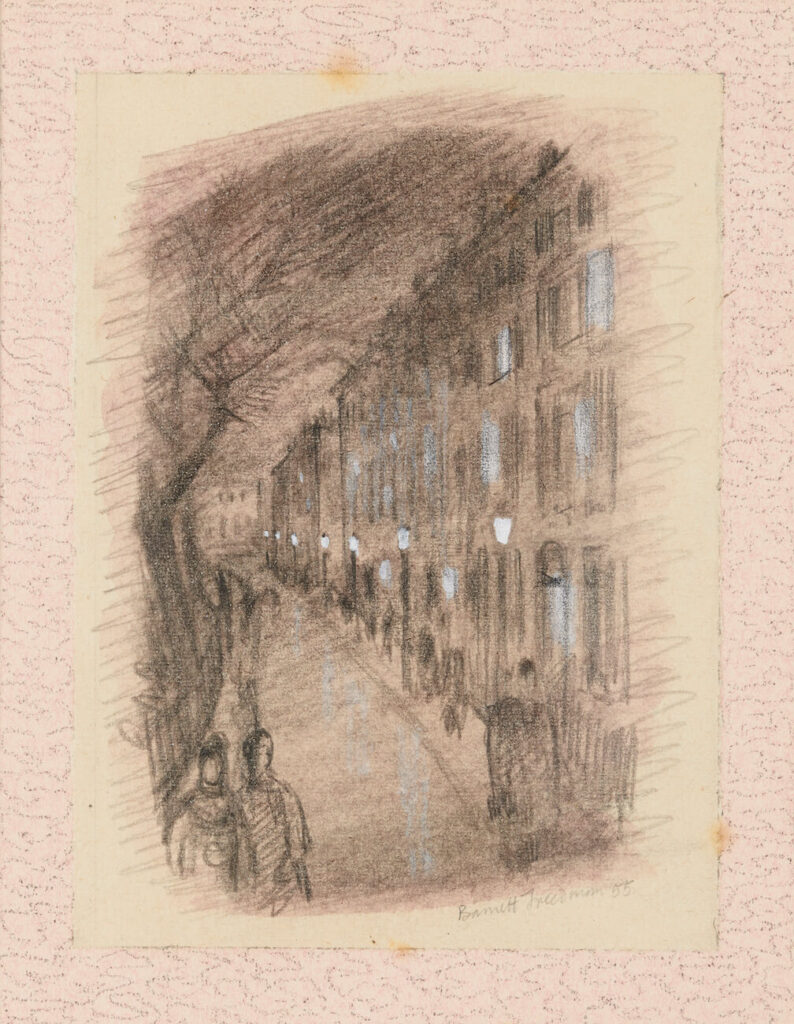
Street Scene at Night

£1,500.00

SKU: 10468

(0cm x cm)

Barnett Freedman (1901 - 1958)

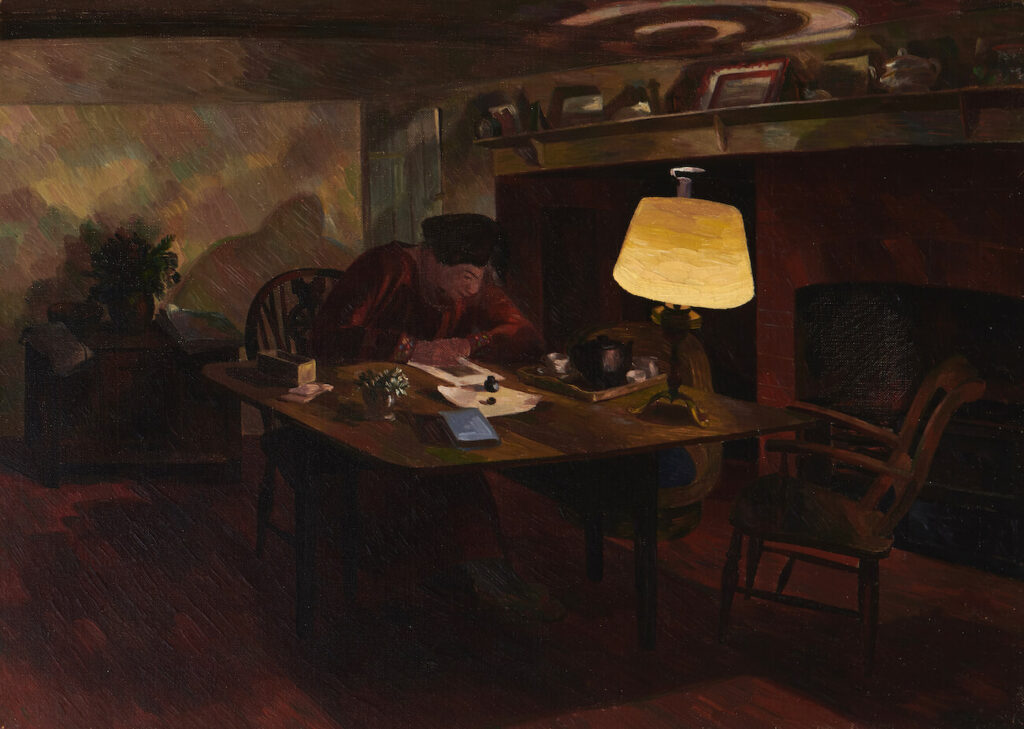
Claudia Writing by Lamplight

£13,750.00

SKU: 10428

(15.8cm x 19.1cm)

Barnett Freedman (1901 - 1958)

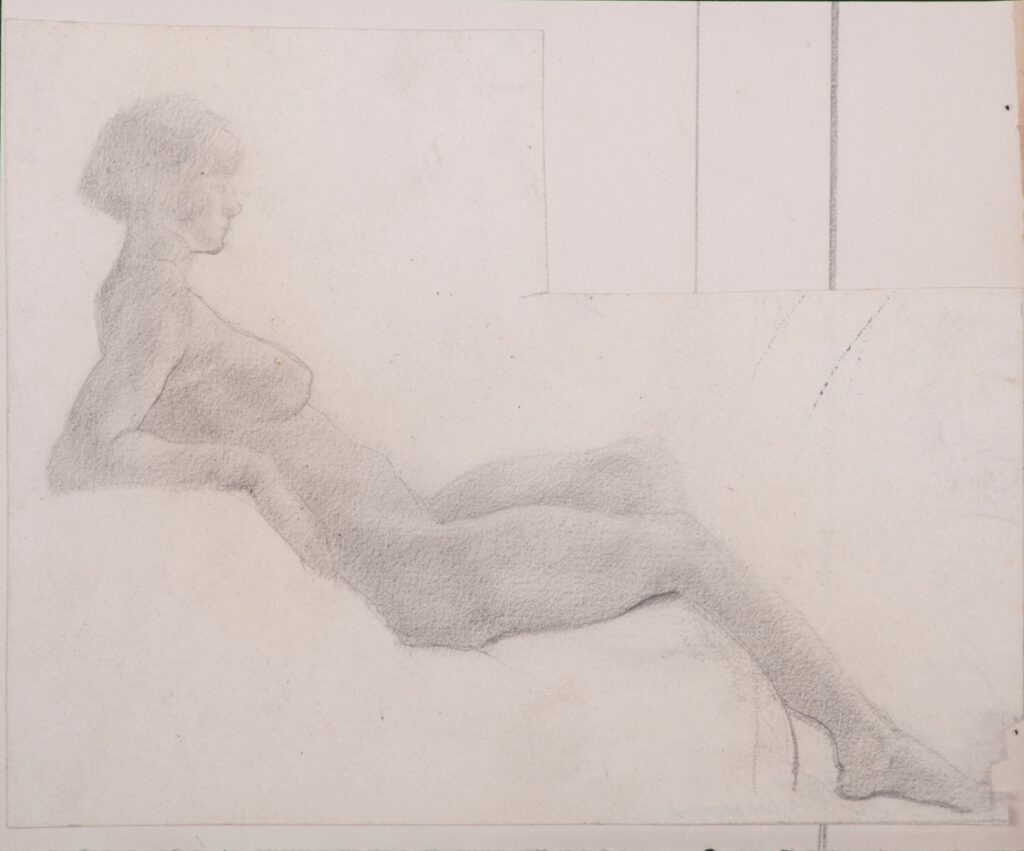
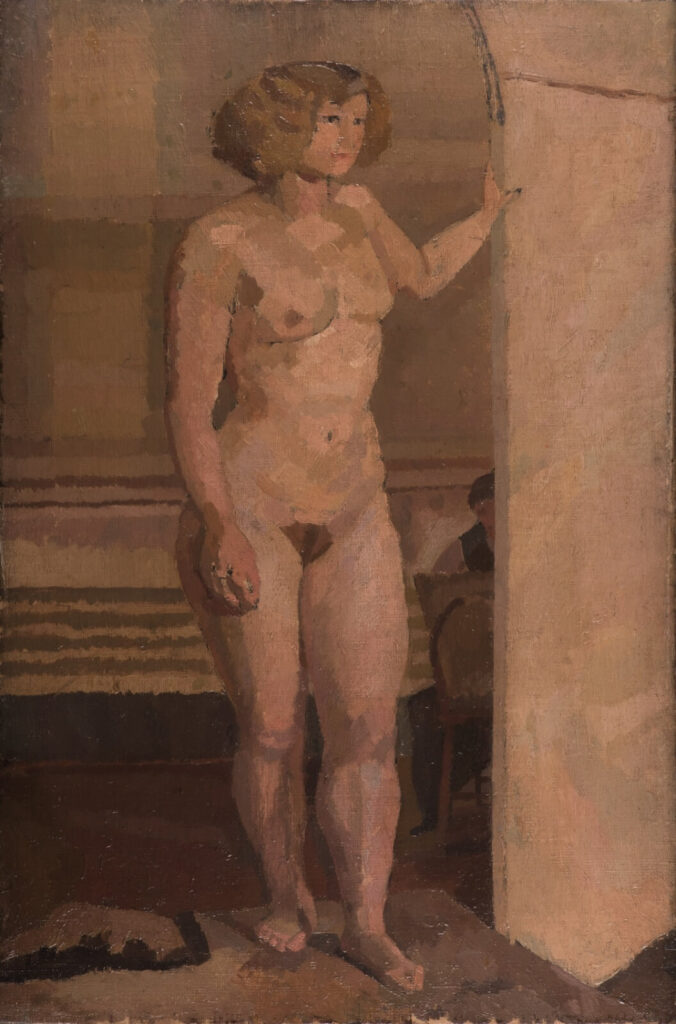
Nude, mid-1920s

£975.00

SKU: 9566

(48.5cm x 62.2cm)

Barnett Freedman (1901 - 1958)

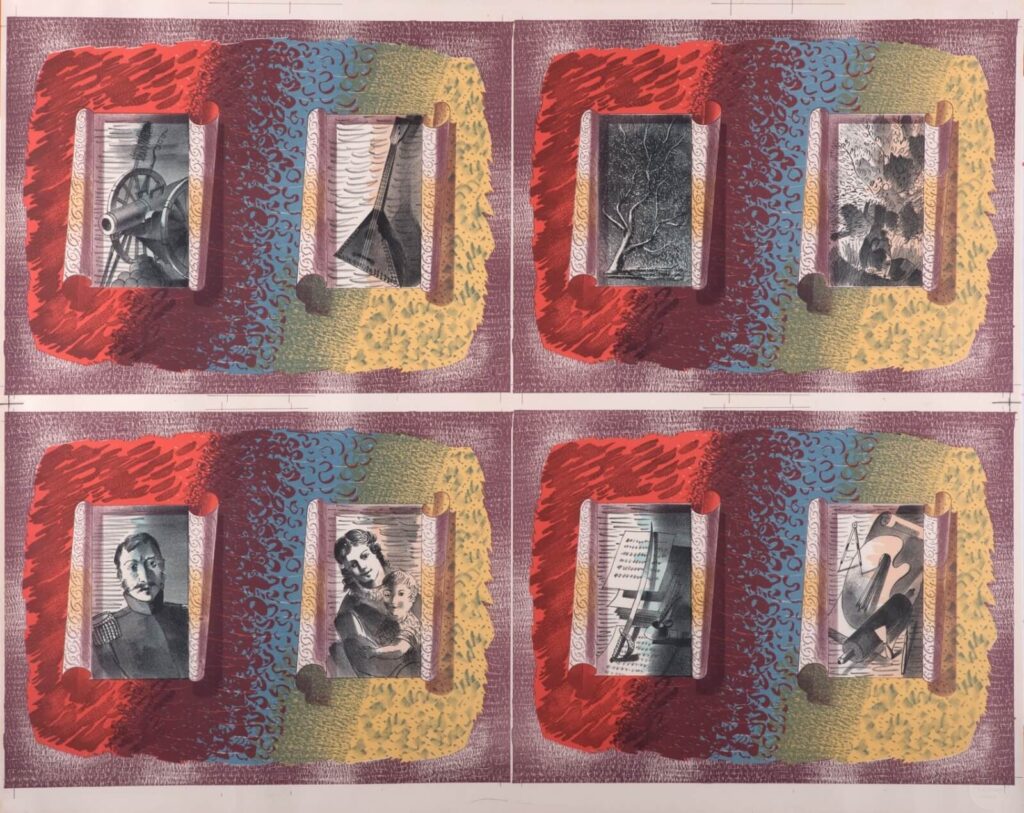
Emd paper designs for War and Peace

£395.00

SKU: 9561

(38.4cm x 57.8cm)

Barnett Freedman (1901 - 1958)

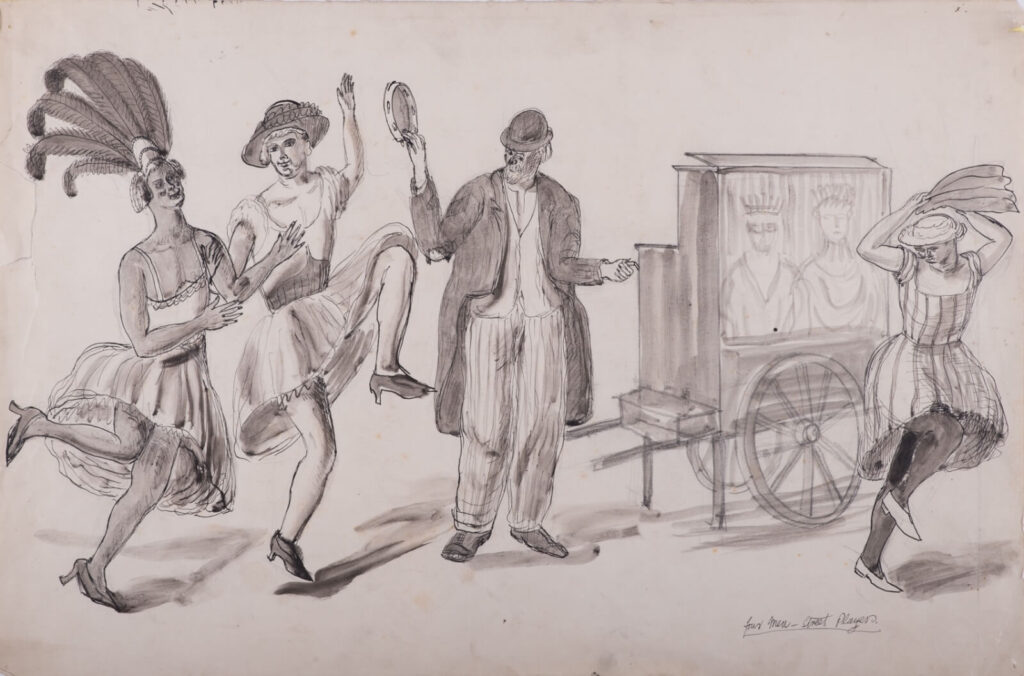
Four Men – Street Players, circa 1926

£1,350.00

SKU: 9483

(60.9cm x 40.7cm)

Barnett Freedman (1901 - 1958)

The artist studio with life model and artist at work, late 1920’s

£975.00

SKU: 9206

(46.4cm x 29.2cm)

Barnett Freedman (1901 - 1958)

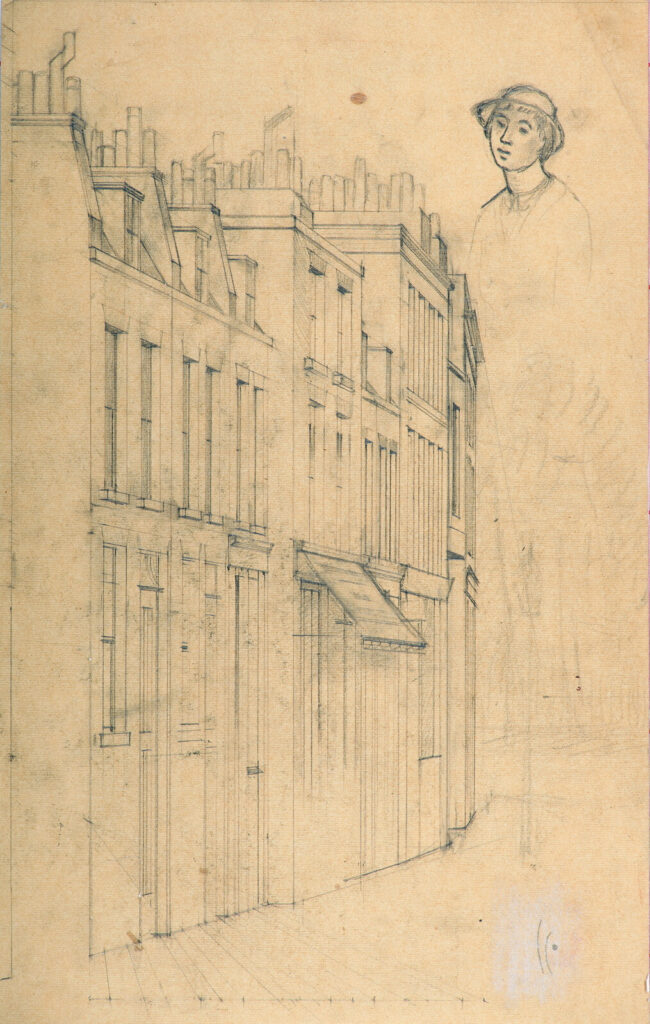
Study for A London Street Scene , late 1920’s

£975.00

SKU: 8909

(38.1cm x 56.5cm)

Barnett Freedman (1901 - 1958)

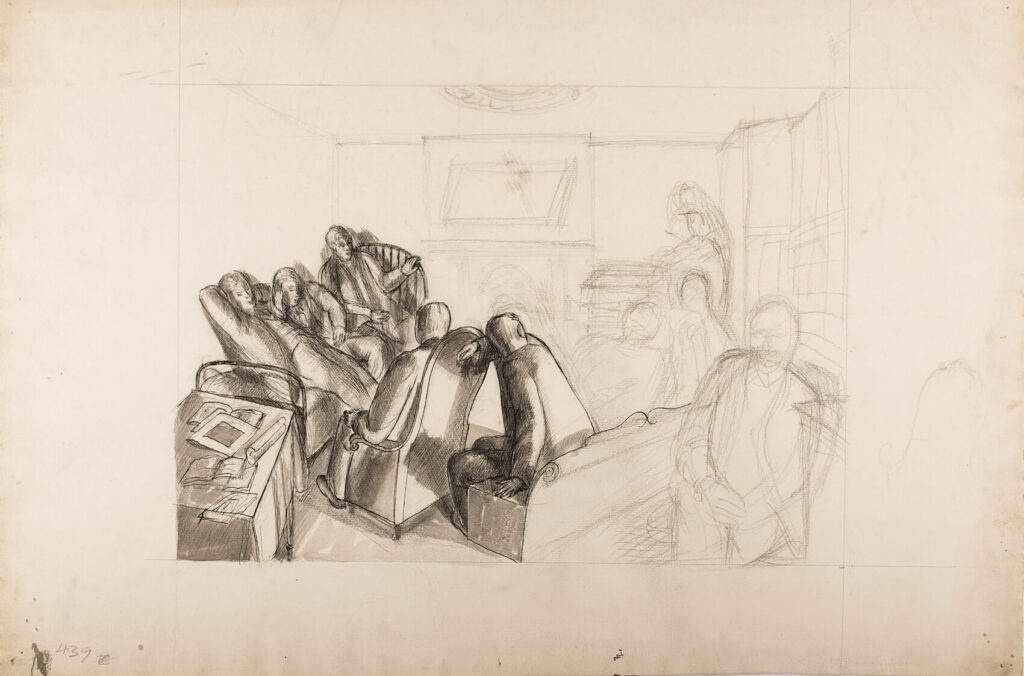
Early study for the Stanhope Street Group, c.1926

£1,850.00

SKU: 8904

(35.6cm x 59.6cm)

Barnett Freedman (1901 - 1958)

Study for Charade, circa 1936

£3,950.00

SKU: 8906

(53.6cm x 38.8cm)

Barnett Freedman (1901 - 1958)

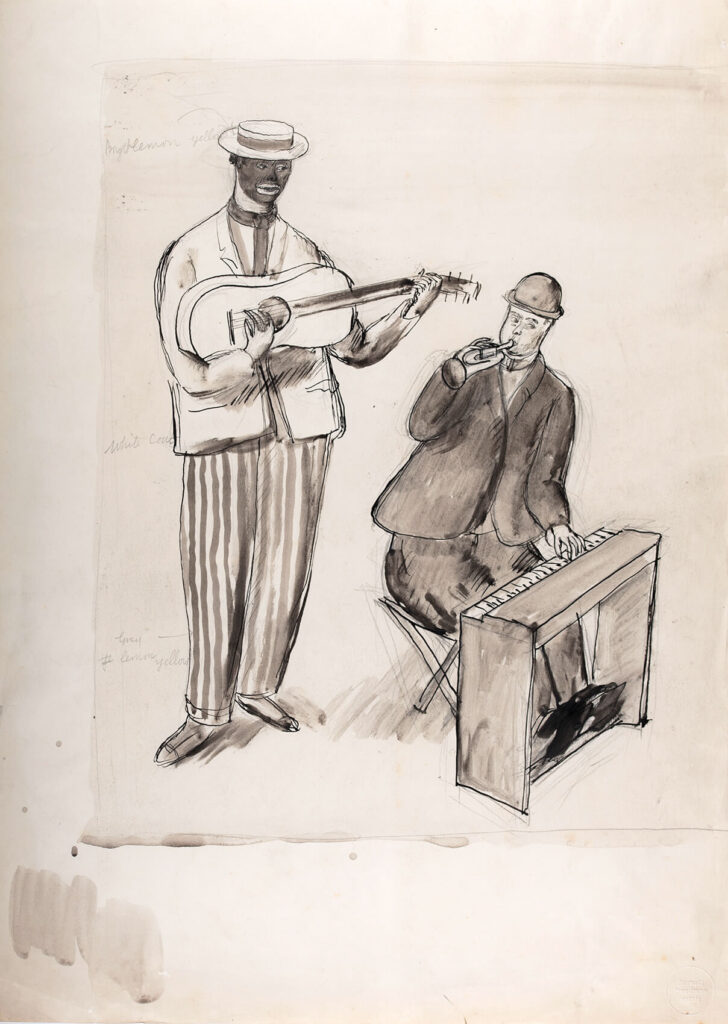
Street musicians, circa 1926

£975.00

SKU: 8907

(52.4cm x 36.9cm)

Barnett Freedman (1901 - 1958)

Seated model, deshabillée, mid 1920’s

£1,800.00

SKU: 8898

(15.9cm x 20.3cm)

Barnett Freedman (1901 - 1958)

Life study of two seated young women

£300.00

SKU: 8901

(38.1cm x 28.6cm)

Barnett Freedman (1901 - 1958)

Life study with hand on her hip, 3/4 view

£350.00

SKU: 8902

(28.5cm x 38.1cm)

Barnett Freedman (1901 - 1958)

Full lenght life study

£300.00

SKU: 8893

(48.3cm x 37.5cm)

Barnett Freedman (1901 - 1958)

Streamers and Heads, Drawing for Festival Poster, 1951

£8,500.00

SKU: 8894

(38.1cm x 28.6cm)

Barnett Freedman (1901 - 1958)

Figure study, woman in a woolen suit, circa 1925

£950.00

SKU: 8897

(38.1cm x 27.9cm)

Barnett Freedman (1901 - 1958)

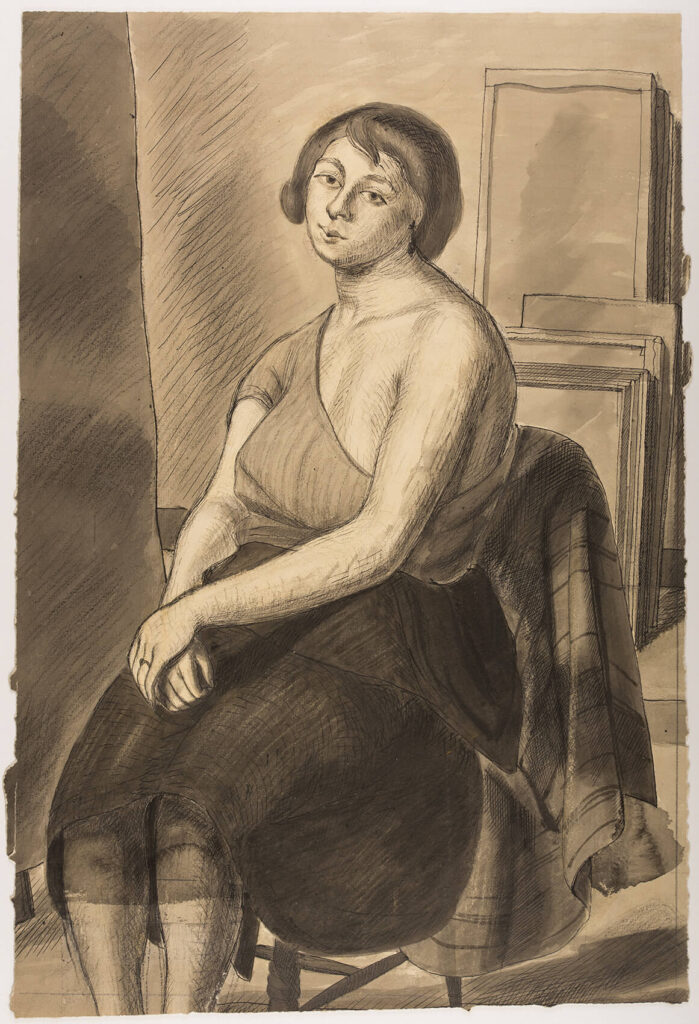
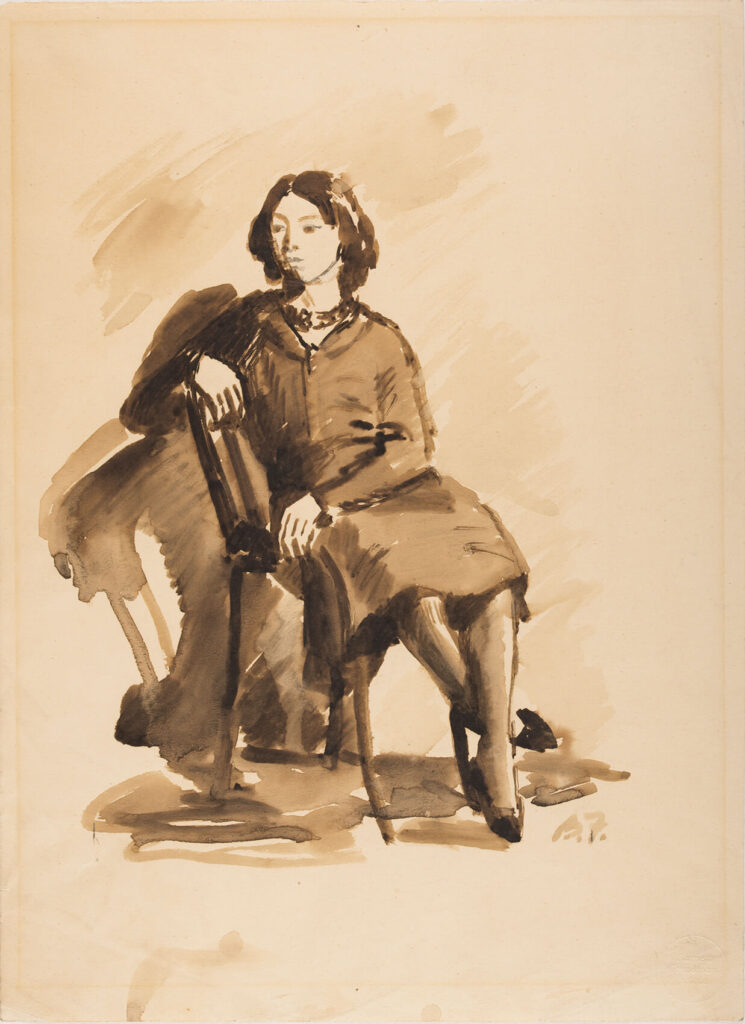
Portrait of a woman seated on a chair, 3/4 pose, probably the artist’s wife, circa 1926

£900.00

SKU: 8888

(56.4cm x 39cm)

Barnett Freedman (1901 - 1958)

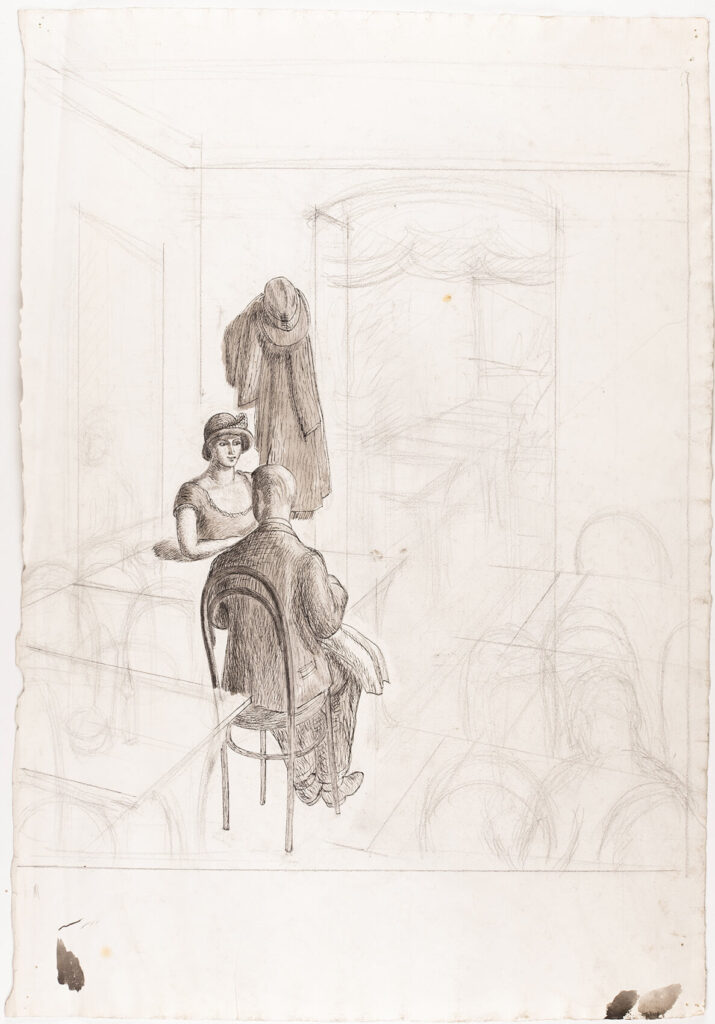
Couple in a restaurant, mid 1920’s

£2,500.00

SKU: 8357

(21.8cm x 33.4cm)

Barnett Freedman (1901 - 1958)

Folded proof for Christmas Card The Leighton-Straker Bookbinding Company, 1956

£295.00

SKU: 8359

(33.5cm x 42.5cm)

Barnett Freedman (1901 - 1958)

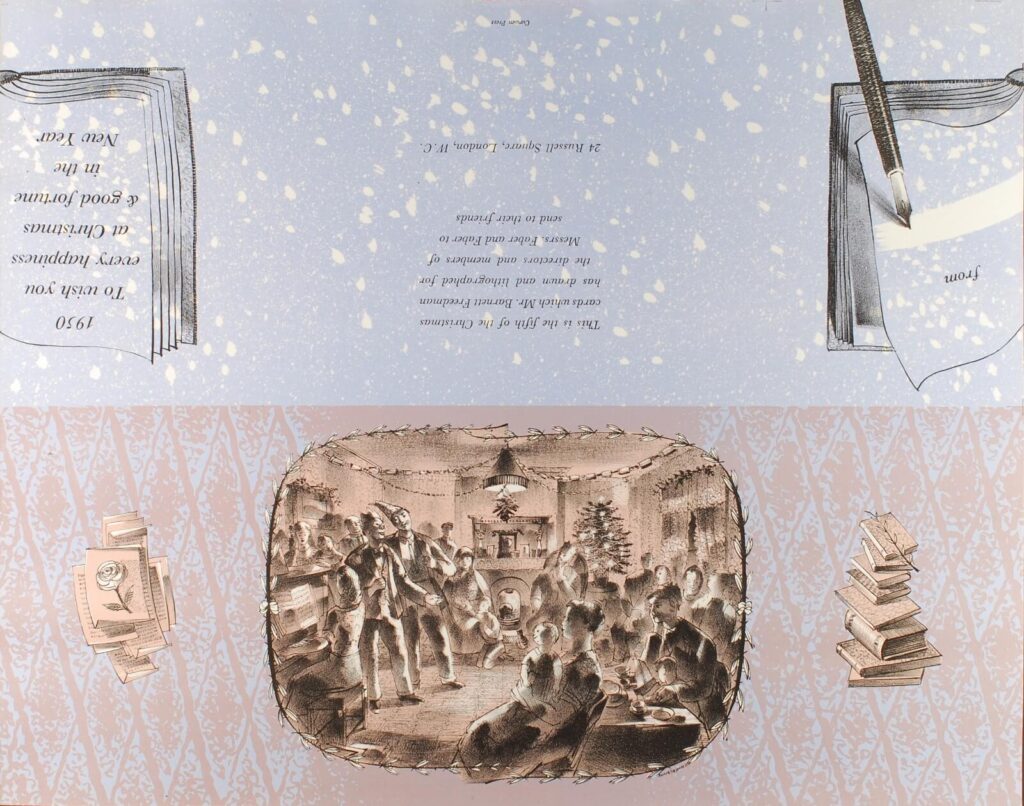
Unfolded proof for Christmas Card Messrs. Faber and Faber

£275.00

SKU: 8355

(21.4cm x 33.4cm)

Barnett Freedman (1901 - 1958)

Folded proof for Christmas Card – The Leighton-Straker Bookbinding Company, 1955

£350.00

SKU: 7952

(76.3cm x 101.3cm)

Barnett Freedman (1901 - 1958)

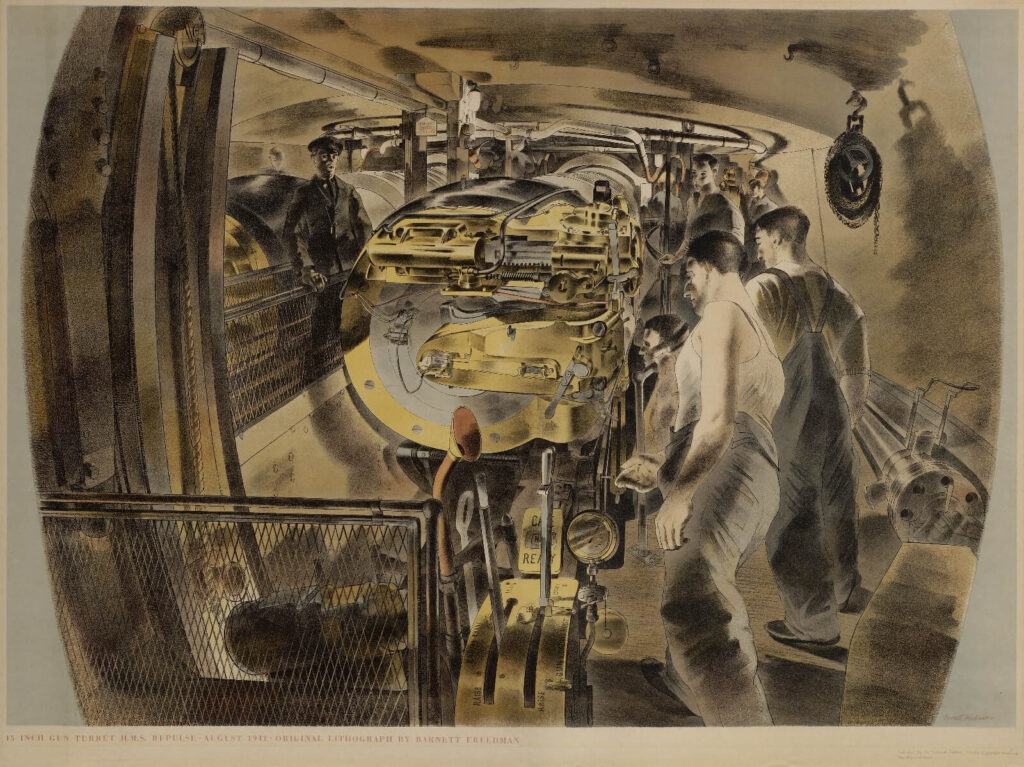
15-inch Gun Turret, HMS Repulse, 1941

£975.00